Featured
Table of Contents
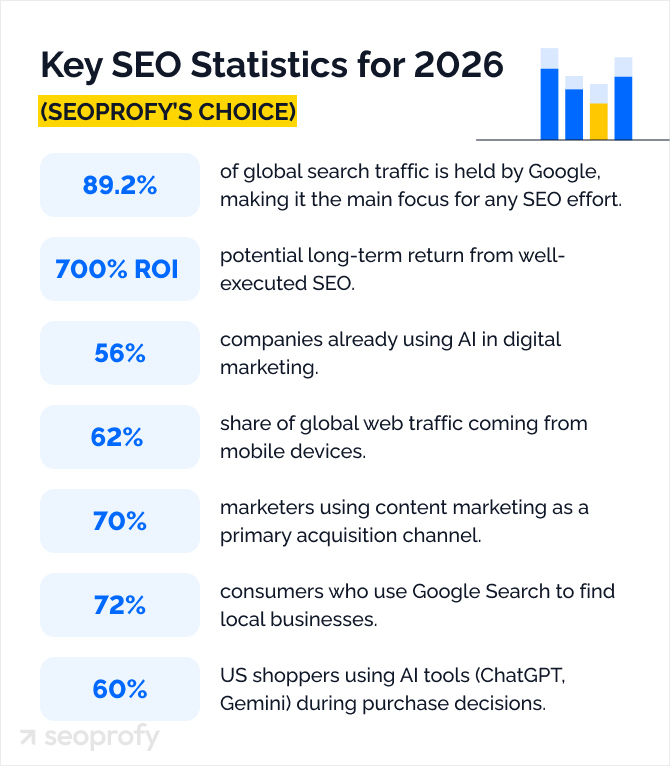
Many individuals utilize voice search for purchase-related inquiries, such as making online purchases and developing shopping lists. Voice queries tend to express immediate or short-term needs. People typically ask their voice assistants to find something or perform an action. (Play a podcast, discover a dish, find or direct to a location.) All these truths make long-tail queries and high-intent job or product-focused inquiries important.
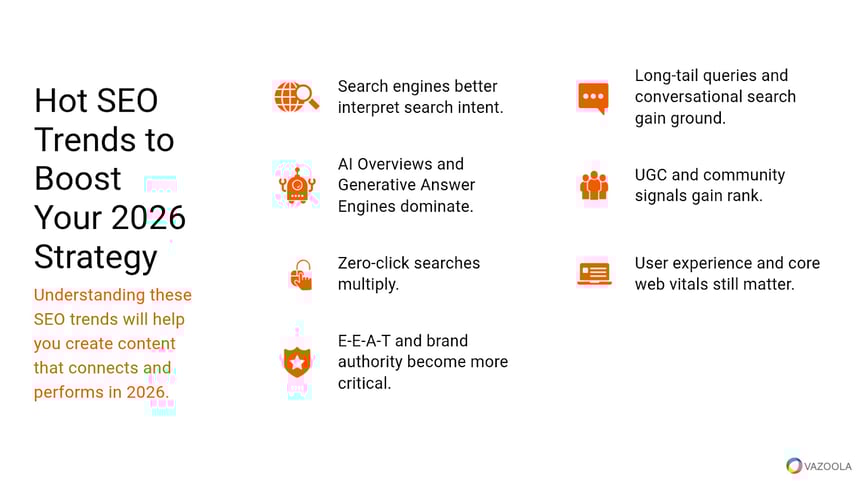
SEJ has lots of resources on long-tail inquiries and targeting inquiry intent: Developments in AI have improved how online search engine react to inquiries in longer form, "natural" or "conversational" language. These types of questions are more likely from voice searchers. They're also key to successful SEO strategies in general. As AI algorithms get much better at understanding and reacting to complex queries, voice search is becoming less of a separate thing to enhance for and more of an advantage of a robust SEO strategy.
You can use Google's features, such as People Likewise Ask, and your keyword research study tools to identify concerns your audience will likely ask and then construct them into your content method. Read these resources from SEJ to discover out more about questions and responses: Advanced natural language processing implies search algorithms can quickly interpret inquiries, even in complex language, and return results that match them.
Adapting for a Growth of Conversational Intent
For all these users, you should make your website easy to navigate and focus on acquiring the leading areas in featured snippets and regional SEO results. While voice search wasn't as disruptive as anticipated, it was an action in the advancement of natural language processing towards AI innovation. Understanding these principles can help you prosper in modern SEO.
Optimizing your website for voice search provides a big chance. You increase your opportunities of reaching possible clients who use their voice assistants to discover information. This short article offers a deep dive into voice search optimization, consisting of 6 actionable tips to help enhance your voice search rankings. Let's start with the essentials.
The main objective is to get selected by and/or check out aloud by voice assistants when users perform a voice search. Those digital assistants include Google Assistant, Apple's Siri, Microsoft's Cortana, and Amazon's Alexa. Users can likewise perform voice searches on search engines like Google using desktop devices. But those results are still shown the very same way as they are for text-based searches.
Why Machine Learning Reshapes Modern Content Workflows
You're more most likely to expression a voice search question like this: "Hey, Siri, can you discover an Italian dining establishment close by?"We talk to our voice assistants as if we're talking to genuine people.
Here are some voice search optimization techniques you can execute: Investigating(and targeting)keywords particularly for voice search can help improve the chances of your content being served to users utilizing their voice assistants for responses. How do you find great keywords for voice search?: The information on keywords in Keyword Magic Tool isn't specific to voice search.
"Then, scroll down to the SERP analysis area . It recognizes your most impactful material pieces and offers recommendations. To begin, head to the tool and click"" to set up your project. You'll then require to add a tracking code to your website. Once ImpactHero starts collecting data for your website(it takes about a day), you can begin evaluating your existing material.

Latest Posts
Maximizing Traffic With Modern Digital Optimization Tools
Top Front-end Design Principles for Next-Gen Apps
Essential Analytics Tools for Modern Marketers